The UK needs more cooling. Are we planning the infrastructure for it?
Hotter summers are changing what UK buildings need from their energy systems. Explore how heat pumps can support future heating and cooling requirements.



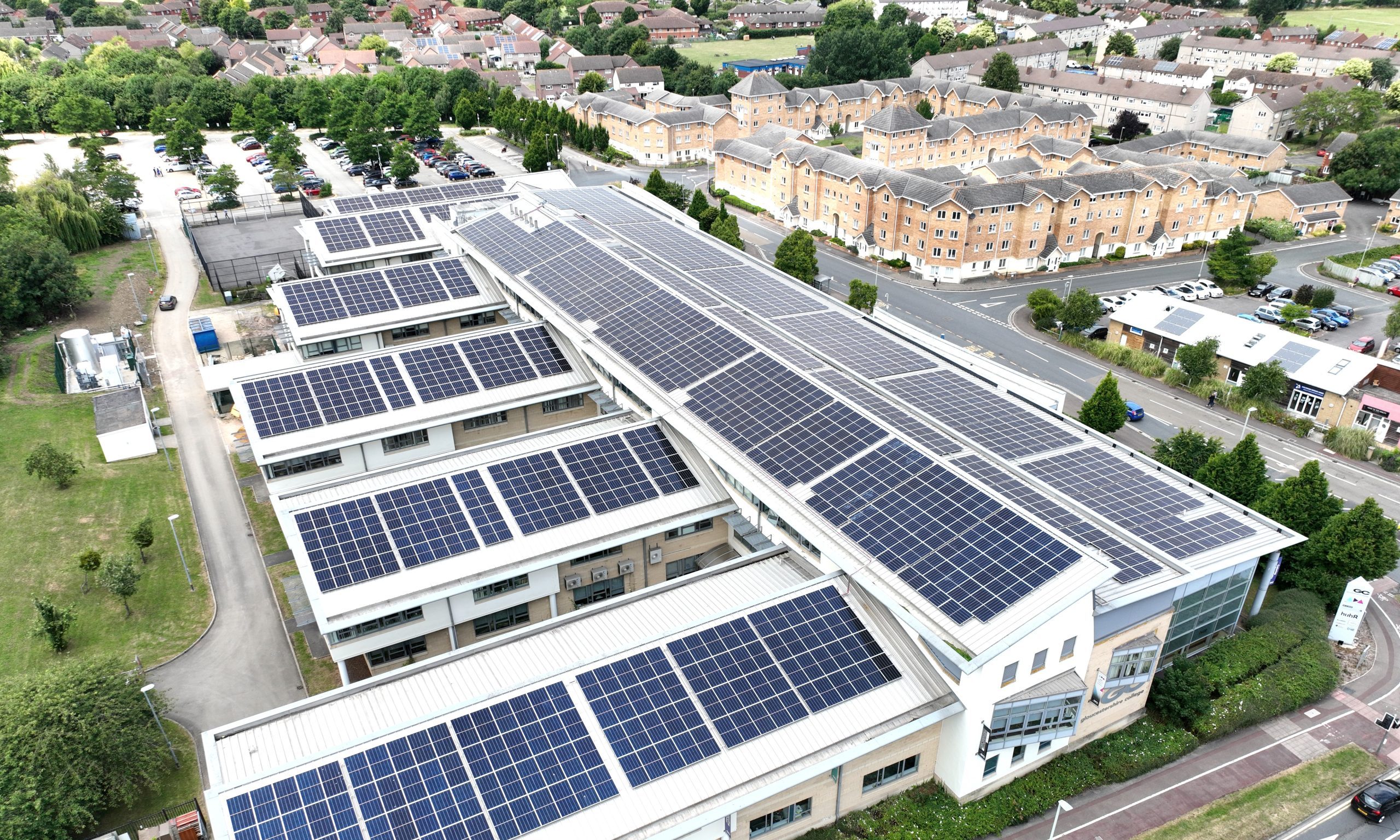
Gloucestershire College provides office accommodation and educational facilities for over 6,000 staff and students across three campuses in Cheltenham, Gloucester, and the Forest of Dean. Committed to achieving net-zero emissions by 2030, the college partnered with HI Group to develop and implement a comprehensive decarbonisation strategy to meet its ambitious goals.
With a diverse mix of buildings, each varying in age and service installations, the college faced significant challenges in reducing emissions. HI Group was engaged to assess and support the college in achieving its net-zero objectives. Taking a partnership approach, we worked closely with the team to create and execute a full end-to-end net-zero plan covering all aspects of planning and delivery.
Environmental Audit and Strategy
Understanding the source and scale of greenhouse gas emissions was critical for the college to focus resources effectively. Supported by significant historic data, our approach included:
Engagement, Awareness and Collaboration
To ensure cross-team collaboration and buy-in, HI Group developed an environmental awareness program for executive teams, clarifying direction and allowing all stakeholders to contribute. We also:
Finance and Project Funding
A robust 20-year business model demonstrated that the college would recover its investment within the project’s lifespan. This enabled our specialist funding team to secure £2.8 million in grant funding from the UK Government’s Public Sector Decarbonisation Scheme, covering nearly 60% of the £4.8 million energy retrofit project. The remaining investment was self-funded by the college, with cost mitigation strategies including:
A custom three-stage energy transition plan was developed, with installations completed by trusted procurement partners:
Delivering a full energy retrofit across three campuses was a significant undertaking, and we commend Gloucestershire College for its commitment and collaboration throughout the process.
Their clear vision, strong leadership, and proactive communication strategy have been instrumental in keeping students, staff, stakeholders, and the wider community engaged in their decarbonisation journey. Gloucestershire College serves as a model for embedding sustainability into the DNA of an educational institution, setting a powerful example for others to follow.
“It has been a pleasure working with the HI Group team. They went over and above the original brief and have been able to add additional value, giving us practical options on how we can reduce our carbon emissions and reach net zero by 2030. If you are seriously looking to reduce your carbon emissions, then talk to HI Group.”
Andrew Bates, Chief Financial Officer, Gloucestershire College
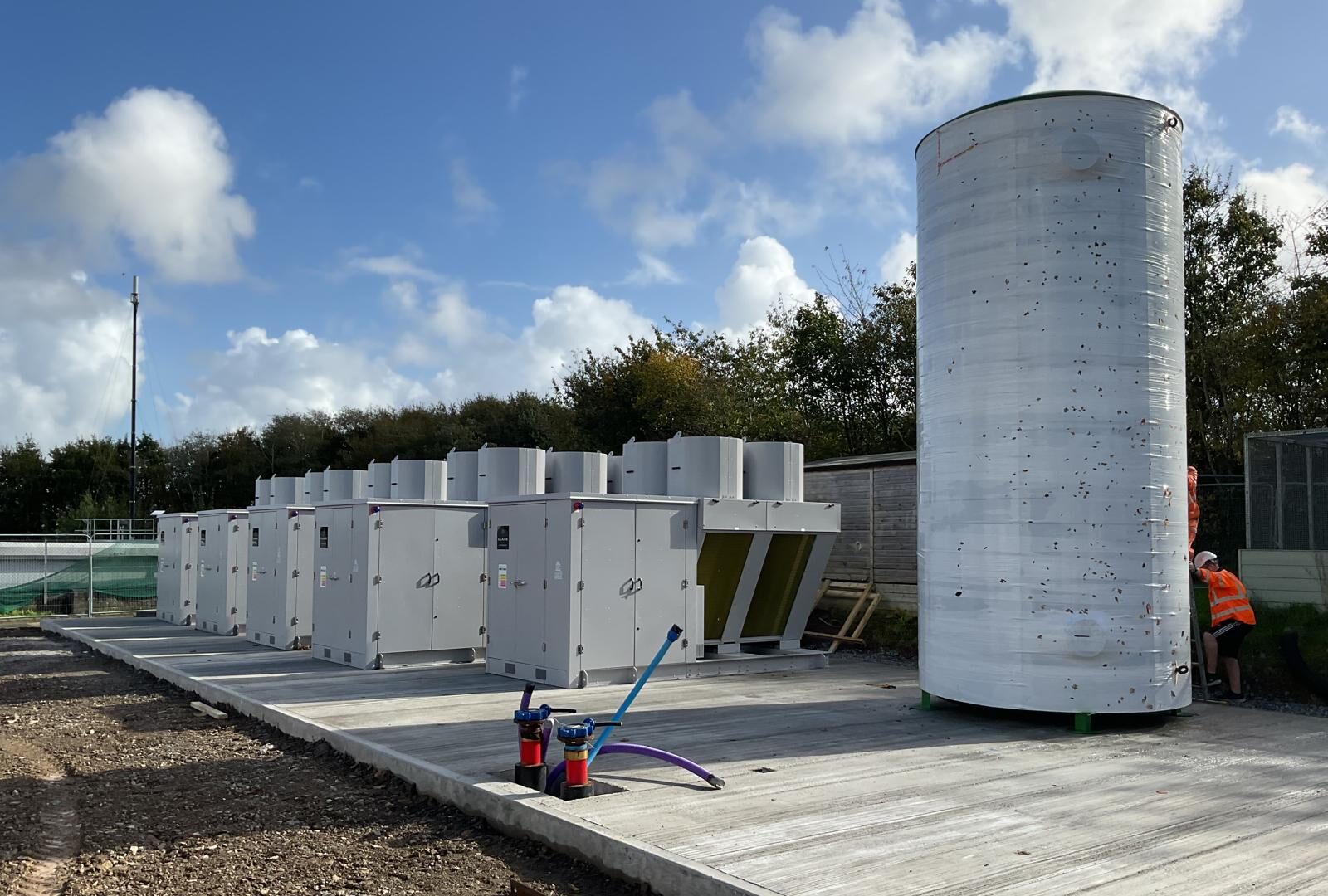
Hotter summers are changing what UK buildings need from their energy systems. Explore how heat pumps can support future heating and cooling requirements.

Learn how an engineering-led investigation uncovered system conflicts, improved operational performance and identified opportunities to reduce annual gas consumption by up to 33%.
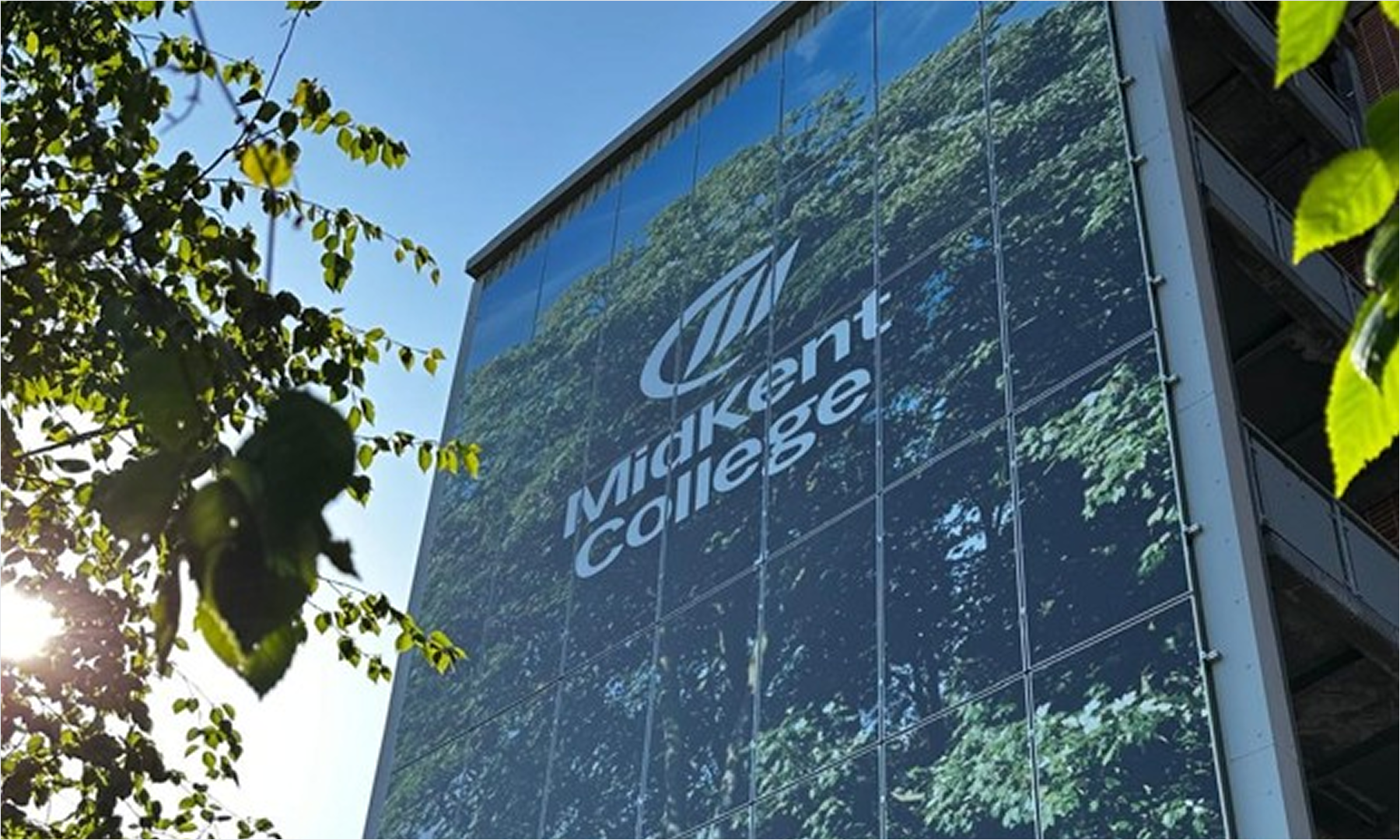
Discover how HI Group helped MidKent College replace gas heating, install renewable energy systems and deliver large-scale estate decarbonisation across two campuses.