
The UK needs more cooling. Are we planning the infrastructure for it?
Hotter summers are changing what UK buildings need from their energy systems. Explore how heat pumps can support future heating and cooling requirements.



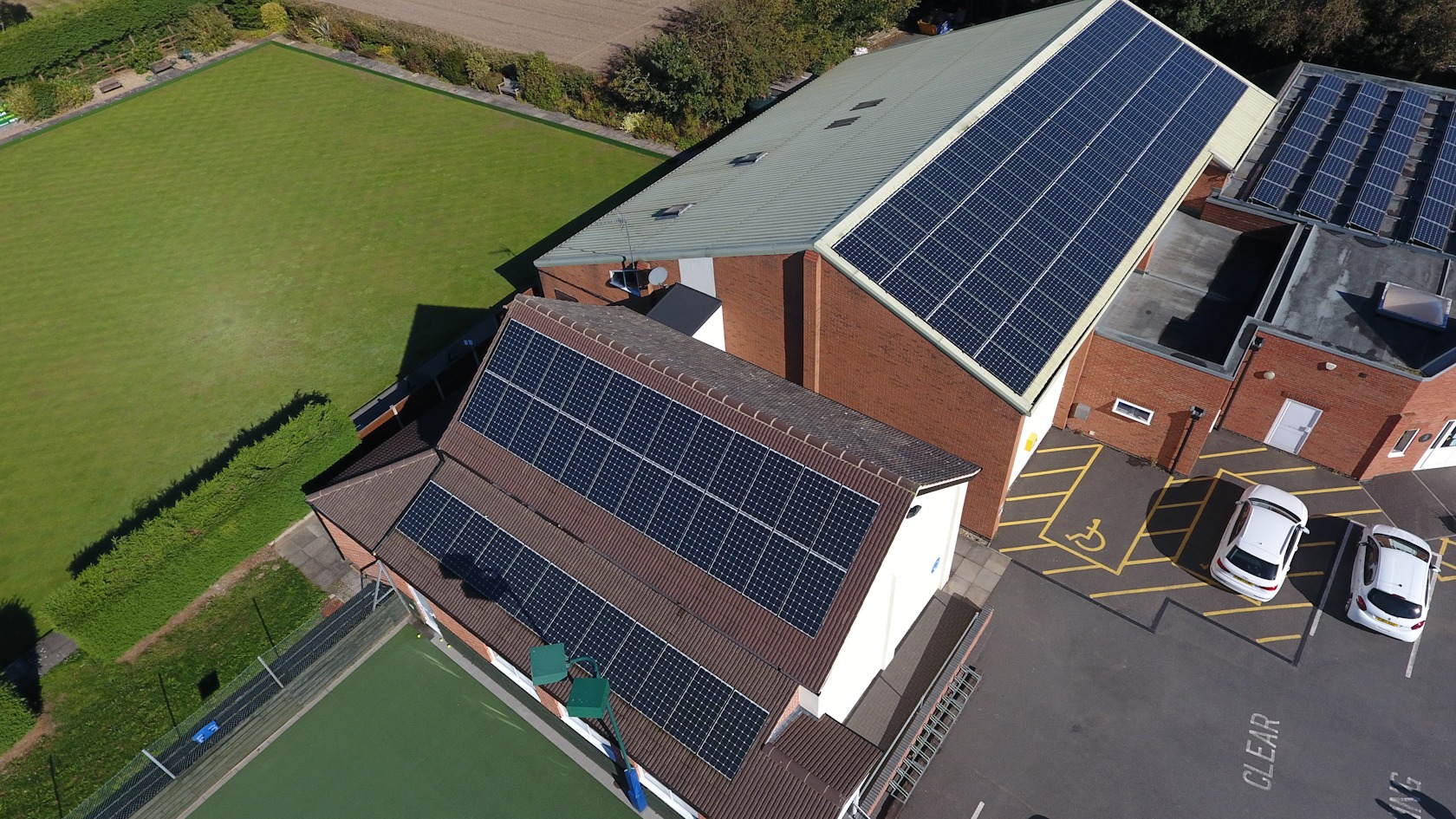
Achieving this at a small, community-run site is an impressive result, particularly given the scale and constraints typically involved.
Sport in Desford (SiD) is a rural community-run facility supporting multiple sports clubs and over 1,000 users each week. Its energy demand reflects a typical small-scale site, with year-round usage and a reliance on both electricity and gas.
Over the past year, the site has shifted to an all-electric energy model supported by on-site generation and storage, delivering lower emissions, reduced energy costs and greater control over energy use.
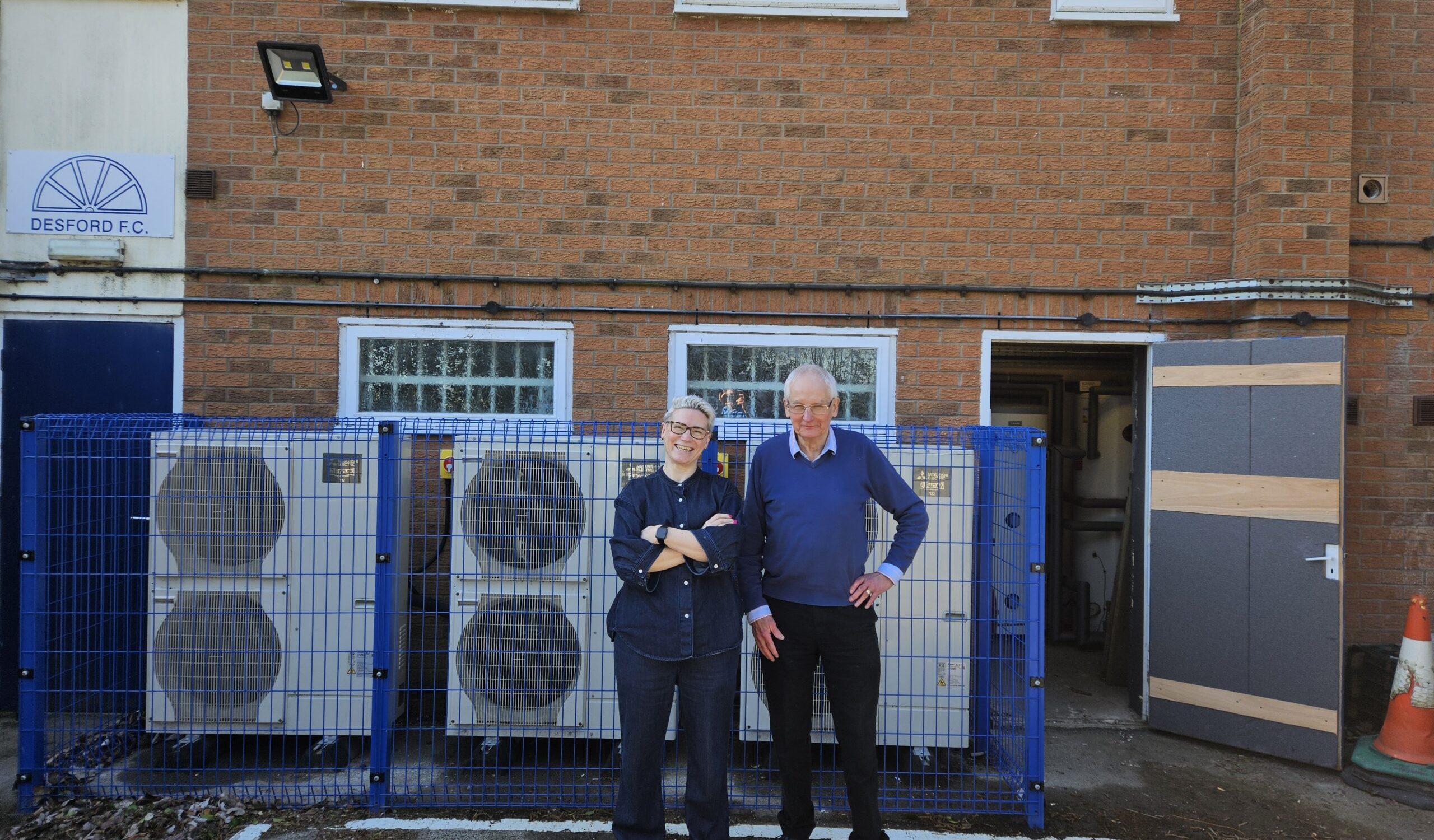
In February 2025, the site removed its gas supply and replaced gas boilers with three air source heat pumps. This shift enabled the site to operate entirely on electricity, supported by on-site generation and storage.
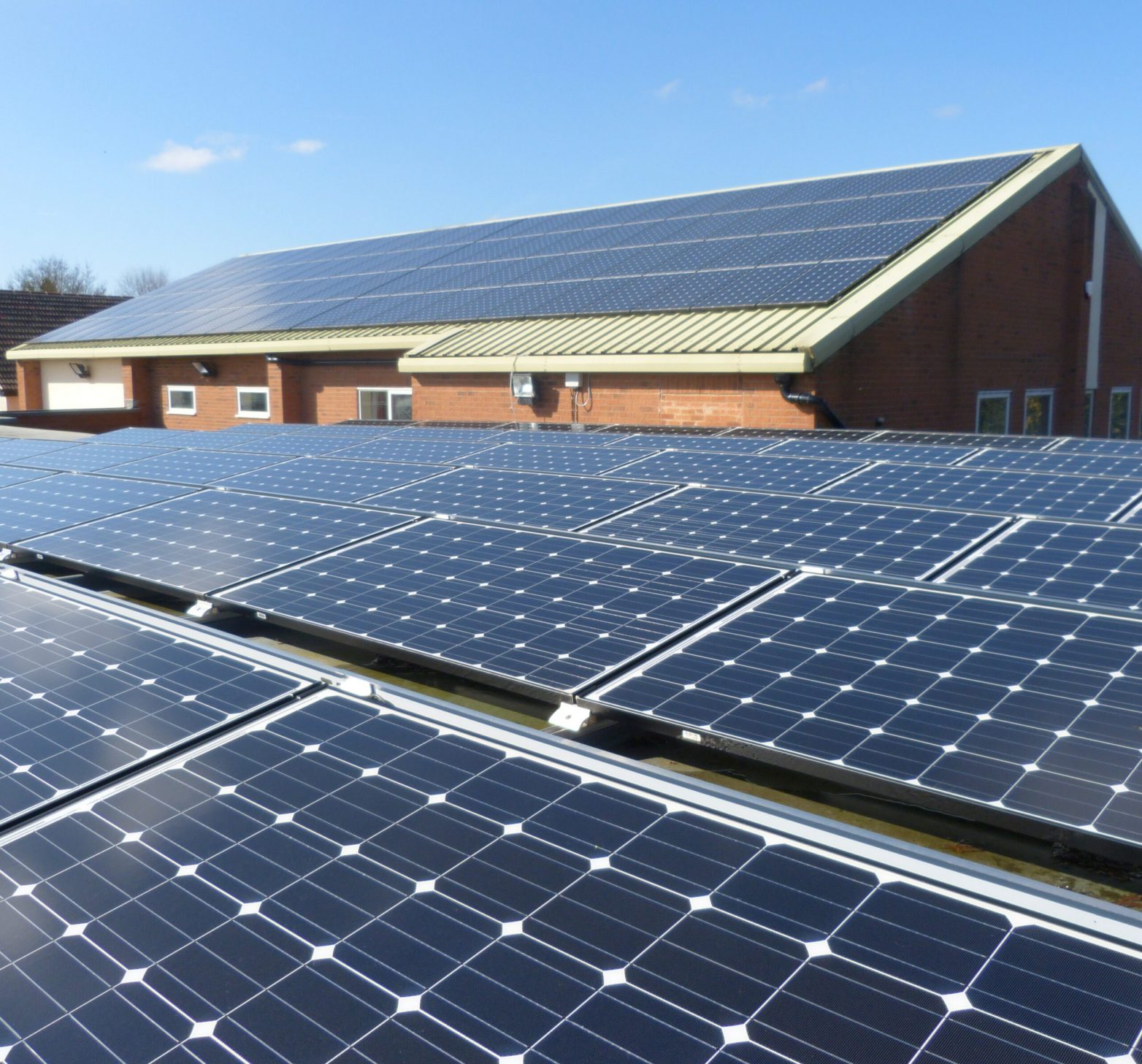
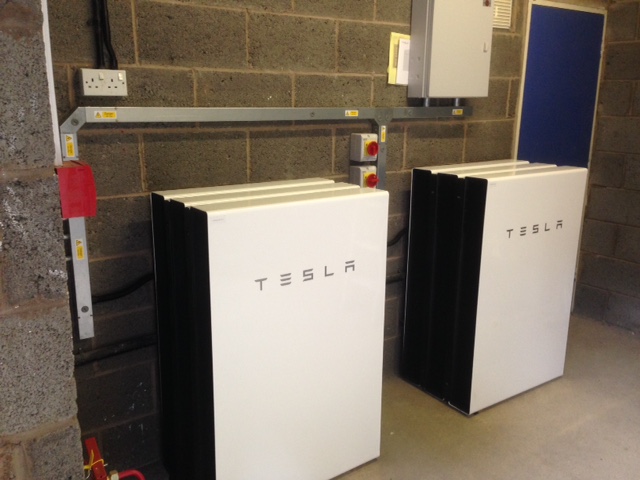
The system integrates multiple technologies:
This configuration builds on earlier upgrades across the site, including improved insulation, LED lighting and the phased installation of solar PV and battery storage. HI Group provided technical and economic support for the transition to heat pumps, including feasibility assessment, system sizing, cost modelling and the design and specification of the final heating system.
Together, these elements operate as a single energy system, enabling the site to generate more electricity than it consumes across the year and export surplus energy back to the grid.
Accurate metering played a critical role in the project, providing a clear view of how energy is generated, used and exported across the site.
HI Group recommended the inclusion of metering as part of the heat pump installation, allowing the site to monitor performance and optimise operation to reduce electricity costs. This allows the team at SiD to verify Net Zero performance, understand how systems perform across different conditions and identify further optimisation opportunities.
This level of visibility supports operational decision-making and long-term planning, while also providing the evidence needed to demonstrate financial and environmental outcomes with confidence.
The project was driven by consistent internal leadership, with a clear focus on improving how the site generates and uses energy.
Development Officer Jim Houghton played a central role – supporting upgrades, coordinating improvements and ensuring progress continued. The level of ambition and follow-through demonstrated here is notable, particularly for a community-run site delivering results that many larger organisations have yet to achieve.
For organisations considering similar projects, internal ownership remains a critical factor in delivering outcomes. HI Group provided technical support to Jim and the team in developing the heat pump solution, contributing to a result that delivers both carbon reduction and lower operating costs.
By February 2026, the impact of these changes was clear:
The site is now operating with lower energy costs compared to its previous gas and electricity setup, supporting its long-term sustainability as a community facility.
SiD provides a practical example of how Net Zero can be delivered at site level. Key considerations include:
Take a coordinated approach
Align generation, heating, storage and control as part of a single system.
Plan for electrification
Transitioning away from gas becomes viable when supported by the right infrastructure, such as solar PV and battery storage.
Use data to guide decisions
Metering and performance tracking enable validation, optimisation and stronger business cases.
Apply the model at different scales
The same principles can be applied across a wide range of buildings, from single sites to larger estates.
For many organisations, the key challenge is balancing cost with decarbonisation ambition.
SiD demonstrates how this can be addressed through a clear plan and consistent delivery, with investment made in stages over time. Starting with on-site generation and then electrified heating allows the site to make use of lower-cost power while managing overall project costs.
This approach shows how a clear plan, supported by the right systems and technical input, can deliver measurable reductions in both emissions and operating costs.
If you’d like to discuss how HI Group can help you hit your decarbonisation goals, please get in touch to arrange a discovery call.
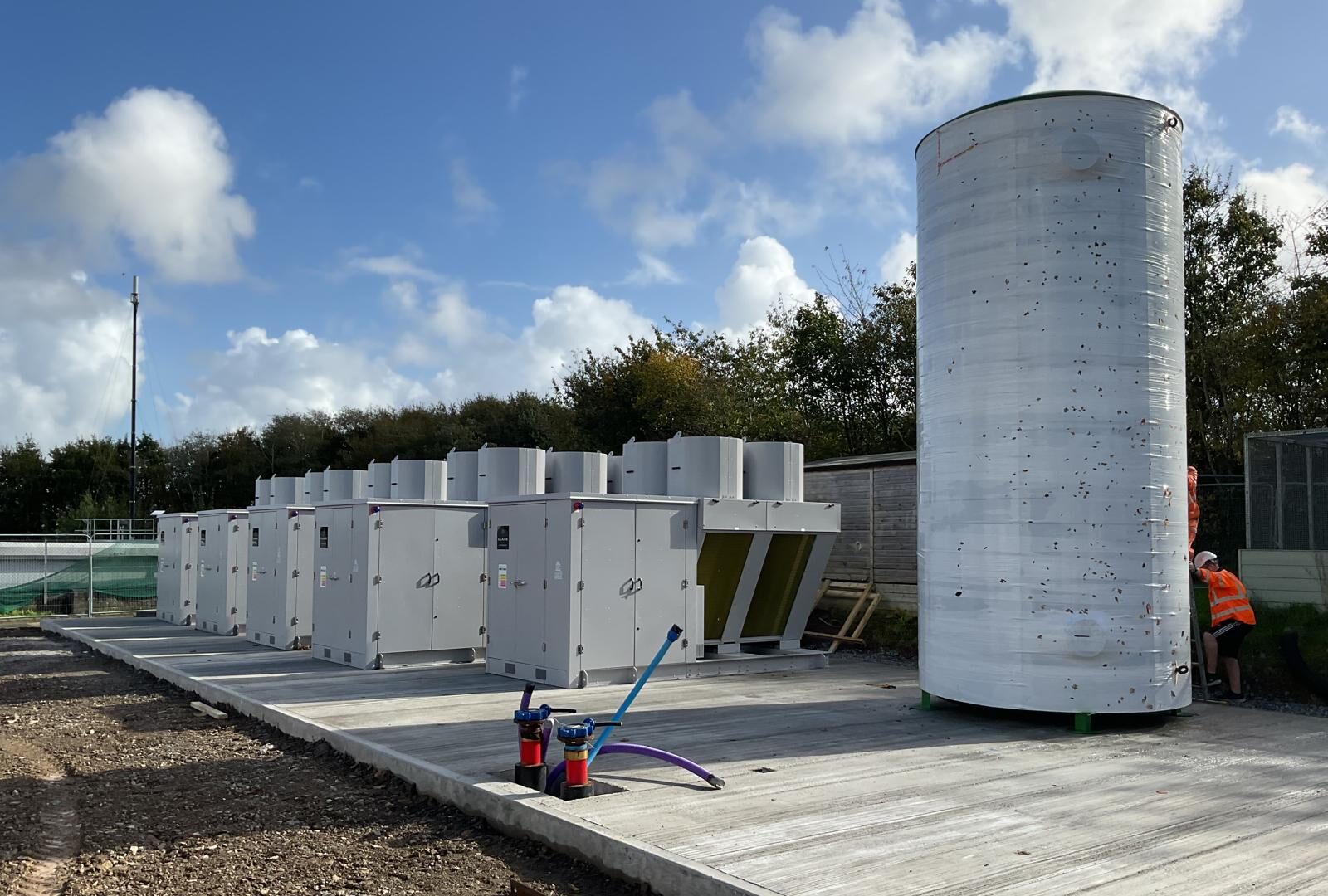
Hotter summers are changing what UK buildings need from their energy systems. Explore how heat pumps can support future heating and cooling requirements.

Learn how an engineering-led investigation uncovered system conflicts, improved operational performance and identified opportunities to reduce annual gas consumption by up to 33%.
Discover how HI Group helped MidKent College replace gas heating, install renewable energy systems and deliver large-scale estate decarbonisation across two campuses.