The UK needs more cooling. Are we planning the infrastructure for it?
Hotter summers are changing what UK buildings need from their energy systems. Explore how heat pumps can support future heating and cooling requirements.



From finance to final installation, decarbonisation depends on momentum. Here’s how to keep it.
Once a project is defined—your goals scoped, your strategy mapped, your business case in hand—you’ve cleared a major hurdle. But the real test begins with delivery.
This is where even the strongest ambitions risk falling flat. A funding bid might succeed, only for procurement delays, supplier gaps or installation surprises to stall progress. Momentum is lost, confidence wanes, and net zero targets start to drift out of reach.
At HI Group, we think of project management as the engine room of decarbonisation. It’s not just about timelines and Gantt charts. It’s the coordination, communication and commercial oversight that keeps every domino in motion – from compliant design through to construction, commissioning and beyond.
If the first phase of decarbonisation is about clarity, then this phase is about delivery confidence. That means ensuring your strategy can be funded, your project can be procured, and your design can actually be built.
Our stages – Design & Finance Readiness and Delivery & Quality Assurance – are where detailed design meets practical delivery. And it’s where we help clients move from theory to action without derailing scope, cost, or stakeholder trust.
Here’s how that looks in action.
We start by pressure-testing the designs. Are the models realistic? Are the costs current? Are the suppliers available? We evolve the design to “investment ready” status: the point at which funders, board members and delivery partners all have the confidence to say “yes”.
We then support clients to:
Every one of these steps connects to the last. If procurement lags, installation slips. If supplier terms aren’t clear, commissioning is delayed. If a funding milestone isn’t met, the project halts entirely.
That’s the decarbonisation domino effect in action. And why expert project management isn’t optional – it’s essential.
Our delivery approach is tailored to the public sector: complex buildings, tight budgets, and stakeholder sensitivity. But the principles apply across the board:
We don’t just write specs. We lead clients through structured procurement aligned to funding rules and technical standards, ensuring the supply chain can actually deliver what’s needed.
We maintain strong relationships with multiple delivery partners across disciplines. That means we can move quickly, coordinate effectively, and troubleshoot early without forcing a one-size-fits-all team on every client.
From schools to NHS sites, we know how to minimise disruption. Our project managers work closely with on-site teams, navigating logistics and safety protocols without affecting services.
We don’t treat design as a static document. As procurement and construction progress, we revisit and realign plans to make sure changes don’t compromise the business case or compliance goals.
Too often, clients are left to “go it alone” once a feasibility study is complete. The handover between strategy and execution becomes a fault line where issues fester.
We take a different approach. Our project managers stay involved across the full delivery arc: from procurement and construction to commissioning and reporting. That continuity means risks are flagged early, the vision stays intact, and the outcome delivers on its promise.
It also means stakeholders stay engaged and confident – because they’re not being asked to navigate the complexity alone.
Planning is important. So is funding. But project management is what gets the job done.
If you’re serious about decarbonisation – about slashing carbon, modernising infrastructure, and staying on track with public or investor commitments – then you need a delivery partner that can manage momentum.
Not just at the start. But all the way through.
In the next blog, we’ll explore how organisations can track what’s really working – proving ROI, achieving compliance, and defending against scrutiny with robust Monitoring, Reporting & Verification (MRV).
For more information on how our services can support your decarbonisation journey, contact our team: hello@higroupltd.co.uk
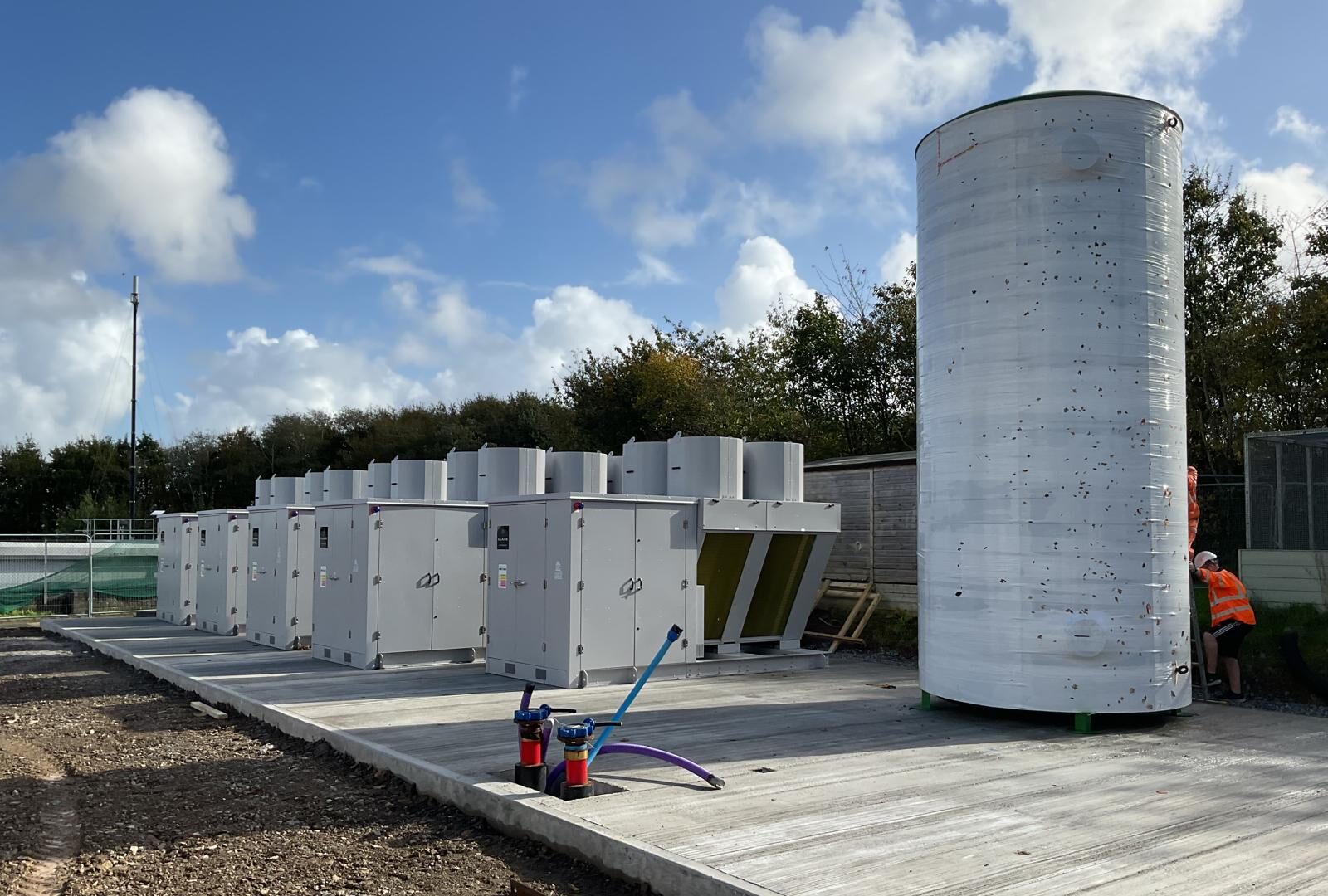
Hotter summers are changing what UK buildings need from their energy systems. Explore how heat pumps can support future heating and cooling requirements.

Learn how an engineering-led investigation uncovered system conflicts, improved operational performance and identified opportunities to reduce annual gas consumption by up to 33%.
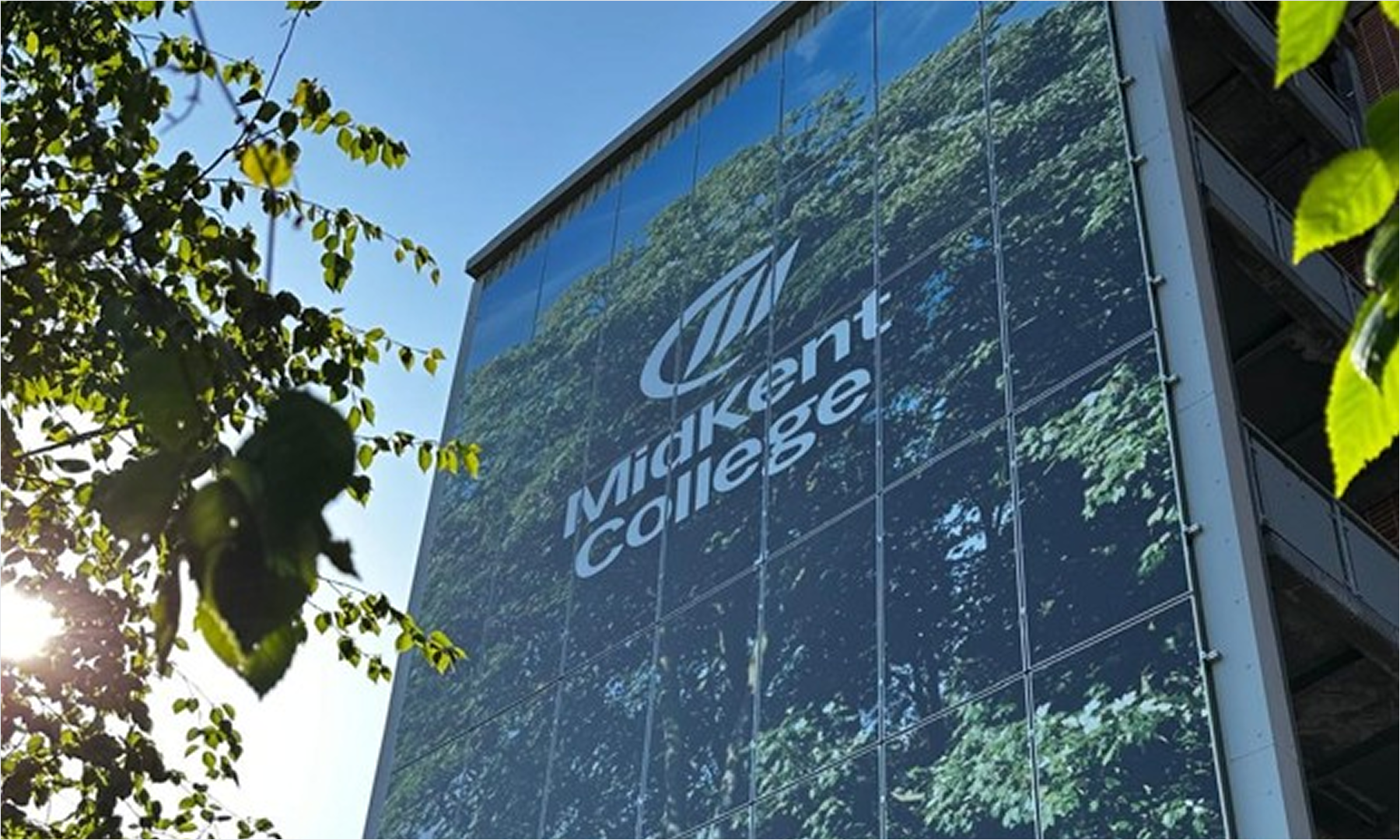
Discover how HI Group helped MidKent College replace gas heating, install renewable energy systems and deliver large-scale estate decarbonisation across two campuses.