The UK needs more cooling. Are we planning the infrastructure for it?
Hotter summers are changing what UK buildings need from their energy systems. Explore how heat pumps can support future heating and cooling requirements.



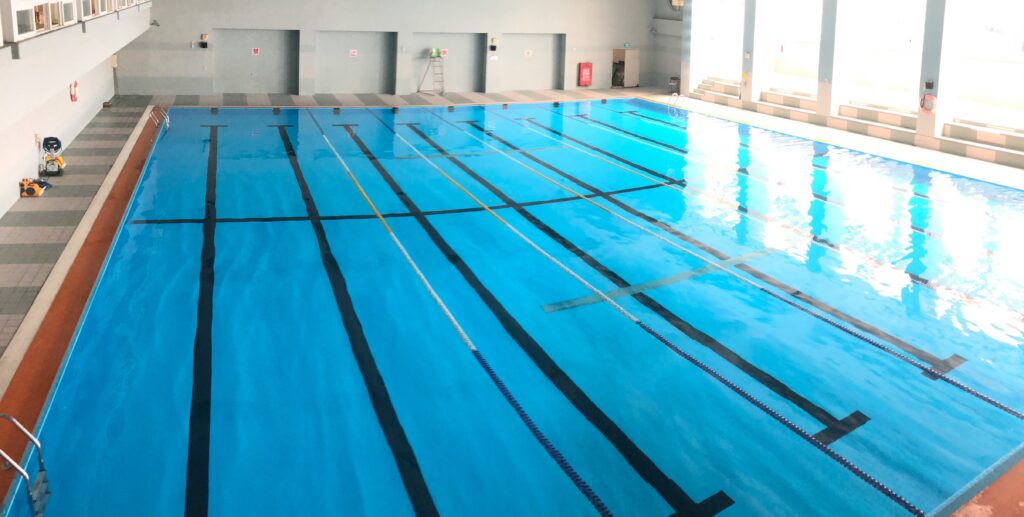
For facilities with pools, spas and extended opening hours, energy demand is structurally embedded in the operating model. Heating, ventilation and hot water systems underpin safety, comfort and compliance. They run daily and at scale, regardless of short-term changes in footfall. That creates a fixed baseline of consumption that cannot be materially reduced without redesigning core infrastructure.
Much of the UK leisure estate was designed under earlier tariff structures and regulatory assumptions. More than 60% of centres are now over 20 years old, operating with boilers, air handling units and control systems approaching renewal cycles.
These systems were never specified for today’s electrification requirements or carbon expectations. As performance declines and maintenance increases, financial exposure becomes embedded in the asset base – often years before capital replacement is formally planned.
Most operators recognise the scale of the challenge. Progress depends on having a clear, defensible plan that protects operations, safeguards budgets and satisfies governance requirements. Managing energy exposure at estate level requires coordinated planning across design, funding, delivery and performance validation.
Leisure centres operate on complex, interdependent energy systems. Pools, ventilation, heating and electrical infrastructure do not function in isolation; performance in one area affects cost and efficiency across the estate. As plant approaches renewal cycles, decisions about replacement, electrification and optimisation begin to shape operating costs for the next 15–20 years.
In many estates, control strategies no longer reflect how buildings are actually used. Operating schedules are often static, while occupancy patterns shift across seasons and programming cycles. Without accurate performance data, replacement and upgrade decisions rely on assumptions rather than evidence.
Capital replacement decisions are becoming unavoidable across the leisure estate. The financial outcome of those decisions depends on whether upgrades are modelled as part of a long-term estate strategy or implemented in isolation.
Across the leisure sector, energy strategy is firmly on leadership agendas. The challenge lies in translating ambition into an investable, deliverable programme.
Upgrade proposals are often developed in isolation – a heat pump feasibility study, a solar installation plan, a controls upgrade – each technically sound, but rarely modelled as part of a single estate-wide pathway.
Investment decisions in live leisure environments face rigorous scrutiny. Finance teams need defined assumptions, scenario modelling and defensible payback projections. Governance boards need clarity on operational impact, compliance risk and long-term asset value.
Many upgrade proposals are developed in separate workstreams, so lifecycle cost, funding routes, operational phasing and performance assumptions are not assessed as a single programme. That makes long-term value harder to evaluate and slows approval. Where modelling is incomplete or assumptions are untested, projects struggle to move beyond feasibility.
Operational risk adds another layer of complexity. Leisure centres operate continuously; pools, gyms and public areas cannot simply close for infrastructure upgrades. Phasing, safeguarding and revenue protection must be built into programme design from the outset. Without clear delivery planning, perceived disruption can outweigh projected savings.
Energy programmes also span estates, finance, operations and sustainability teams, each assessing risk through a different lens. Alignment depends on shared data, common modelling assumptions and a clearly sequenced implementation plan. Without this foundation, internal consensus becomes difficult and progress slows.
The technical pathway to decarbonisation in leisure estates is well understood. The constraint is programme integration: bringing plant strategy, funding, operational planning and performance validation into a single, coordinated framework that can withstand commercial and governance scrutiny.
Reducing energy risk in leisure centres requires coordination across assessment, design, funding and delivery – and the starting point is clarity at system level.
Mapping energy demand across pools, ventilation, heating and electrical infrastructure establishes how assets interact and where financial exposure sits. This provides a baseline for evaluating replacement priorities, electrification pathways and optimisation opportunities.
From there, upgrade options should be modelled as part of a defined estate strategy rather than as standalone interventions. Scenario modelling allows leadership teams to compare phased delivery routes, funding structures and lifecycle cost outcomes before capital is committed. This strengthens confidence at finance and governance level.
Operational planning is embedded alongside technical design. Programme phasing must account for live environments, safeguarding requirements and revenue continuity. Clear sequencing reduces delivery risk and ensures projected savings are achievable in practice.
Finally, performance validation underpins long-term value. Monitoring, reporting and verification ensure that projected savings and carbon reductions are realised and evidenced. For estates operating under public scrutiny or grant conditions, this level of transparency supports compliance and future funding applications.
When plant strategy, funding alignment, operational planning and performance validation are brought together into a single coordinated programme, energy investment becomes predictable, defensible and scalable.
Energy now sits at the centre of asset strategy and financial planning across leisure estates. Capital decisions carry long-term operational and compliance implications and they are increasingly subject to governance scrutiny.
Progress depends on having a clear, coordinated pathway that leadership teams can defend and deliver. Our Leisure & Hospitality Energy Roadmap provides a structured starting point – helping operators assess exposure, evaluate options and move forward with confidence.
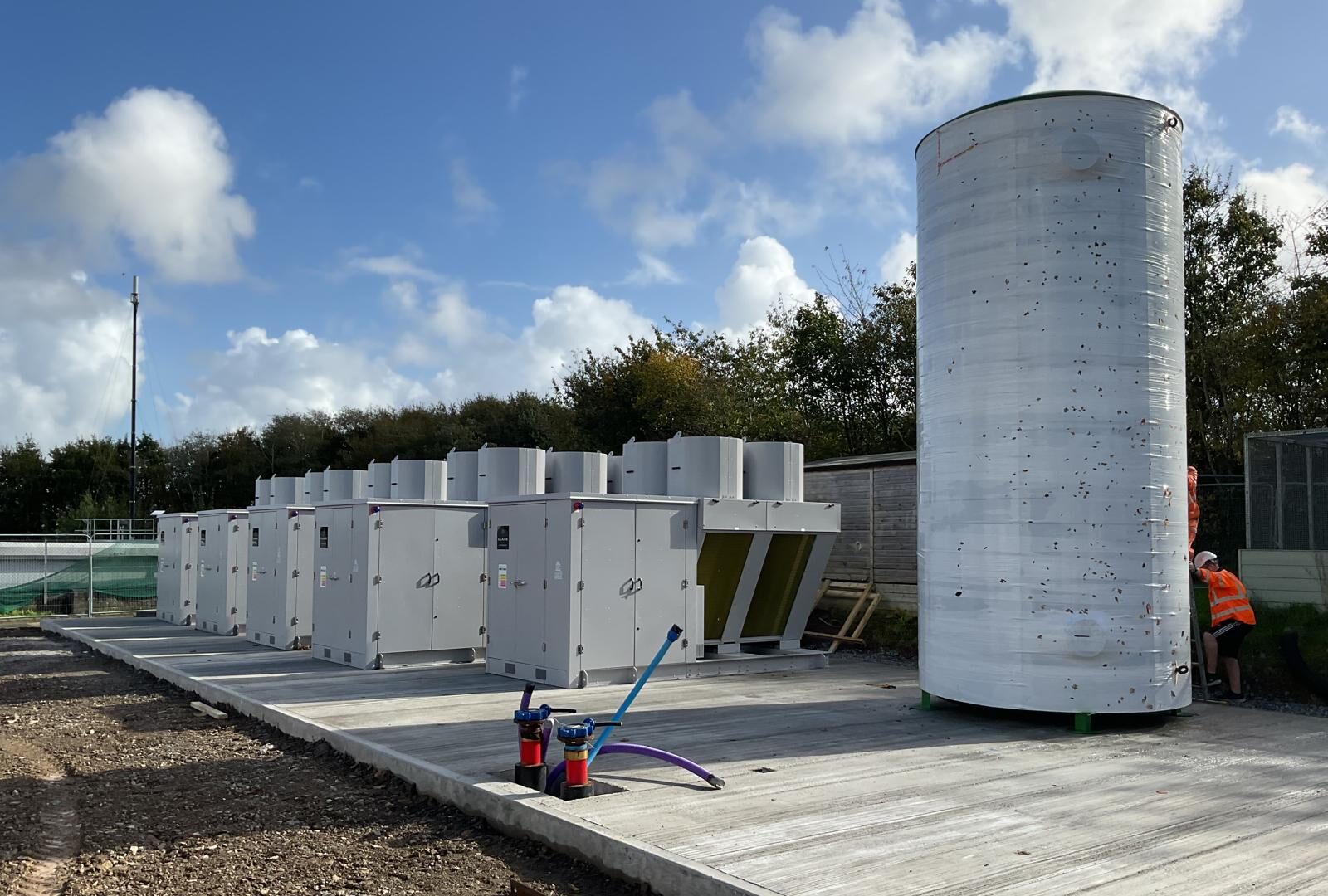
Hotter summers are changing what UK buildings need from their energy systems. Explore how heat pumps can support future heating and cooling requirements.

Learn how an engineering-led investigation uncovered system conflicts, improved operational performance and identified opportunities to reduce annual gas consumption by up to 33%.

Discover how HI Group helped MidKent College replace gas heating, install renewable energy systems and deliver large-scale estate decarbonisation across two campuses.