
How a Community Heat Network Project is Sparking Climate Action in the Classroom
How a community heat network project is sparking climate action in the classroom.


In February 2020, the Church of England created a ‘Routemap to Net Zero’ strategy for churches to reduce emissions and become net zero by 2030.
To build on its 2021 Eco Church silver award, All Saints church commissioned HI Group to create a tailored decarbonisation plan as the first step to becoming carbon neutral within the timeframe.
Understanding the challenges above, our approach was to sympathetically assess the options for decarbonisation to achieve low carbon goals, whilst mindful of budgets, building constraints and timelines.
Baseline Analysis
Every project begins with an analysis of the current situation to create a baseline for comparisons.
The church’s current heating system consisted of 14-year-old gas boilers and wall mounted radiators.
We established the baseline annual energy consumption for the building, carbon generation, costs of heating and occupancy levels – when the church was used and for how long.
Decarbonisation requires the replacement of gas-fired systems. When looking at options for low carbon replacements we considered the following factors:
Connect an ASHP system to the existing distribution system in the boiler house – this is the simplest option as the boiler house is external to the church and planning permission would be less problematic.
This option requires an increase in radiator size, installation of a buffer tank in boiler house and some pumping upgrades. Noise and planning were investigated as part of the study.
All Saints Church is located on the banks of the River Thames and could be a contender for a surface water source heat pump. Connecting a WSHP system to the existing distribution system in boiler house would require an increase in radiator size, installation of a buffer tank in boiler house plus a plate heat exchanger enclosure close to river. However, this option also incurs costs of permits and longer lead in times for approvals. HI Group assessed the practical and financial implications of this option.
This option looked at a small array of solar panels to offset some electrical costs. However solar generates the majority of power in the summer, whilst the heat demand is in winter, so this option would have limited effect on offsetting heat pump running costs. Overall running costs would be reduced, however.
Particularly suitable for historic properties, this type of heating could supply 100% of the annual heat demand. However, the heaters do not heat the space, only the people, so may not be useful for non-occupied time. Electrical infrastructure upgrades were found to be significant for this option.
To keep the ideal air temperature at 19°C (min air temperature is 10°C) our assessment looked at the number and efficiency of radiators to understand if more were required or if the existing ones would need upgrading. This option may mean the circulating pump duty would also need to increase.
To help All Saints choose the best route to decarbonisation, we then created a detailed energy and economics study comparing the full capital, operational and replacement costs and effectiveness of each option. This included a forecast rate of return on investment and cash position over 30 years.
The projected carbon savings were calculated to be 665TCO2e over 30 years based on air source heat pumps and solar PV array.
All Saints will choose a preferred route, collate supplier quotes for supply and installation and agree funding sources.
“HI Group’s feasibility report and presentation gave us the information we needed in a clear and simple way and allowed us to ask questions to aid our understanding. This has been a most useful exercise and has helped the Church Council narrow down the options for the next steps in our net zero journey.”
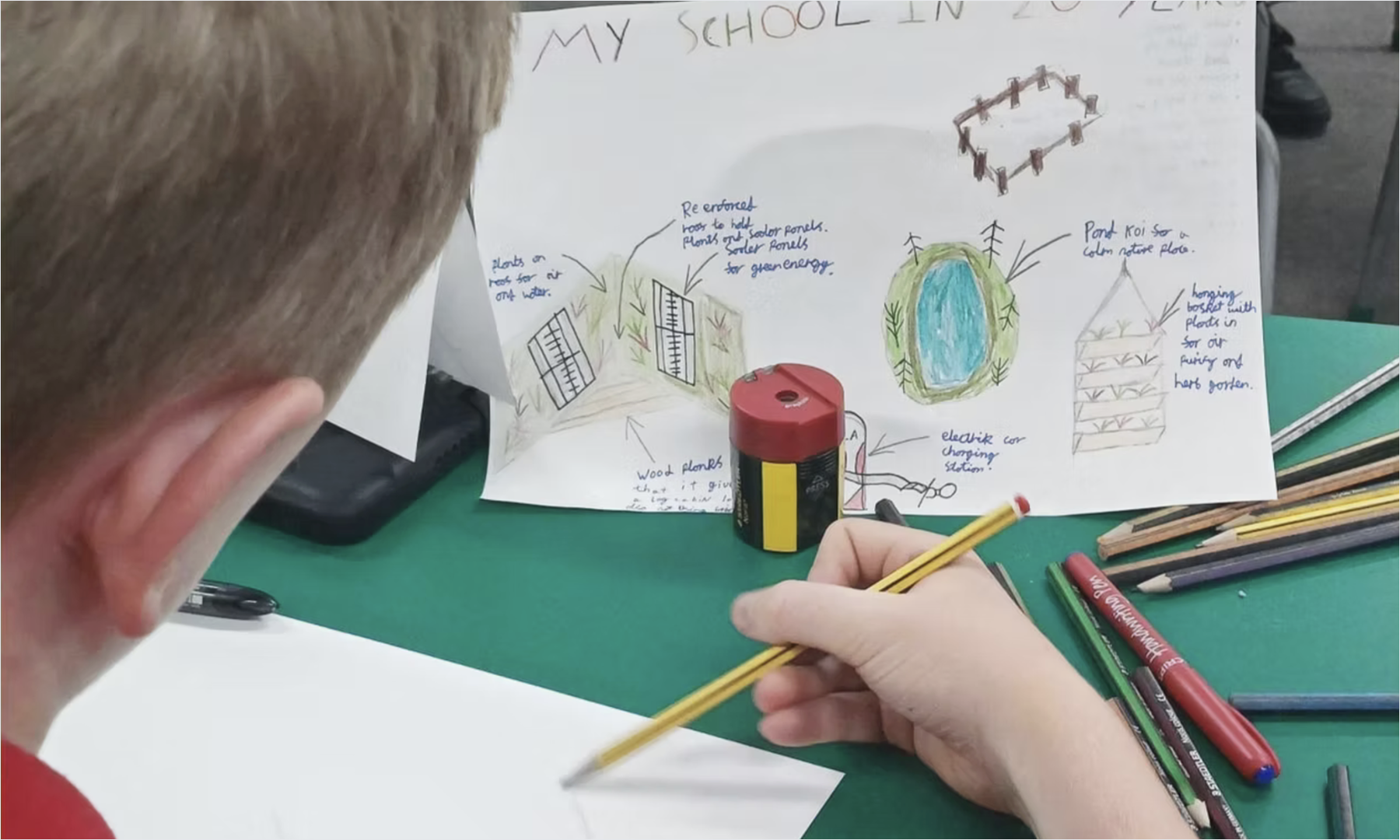
How a community heat network project is sparking climate action in the classroom.
How decarbonisation plans can help historic properties reduce carbon emissions and energy costs.
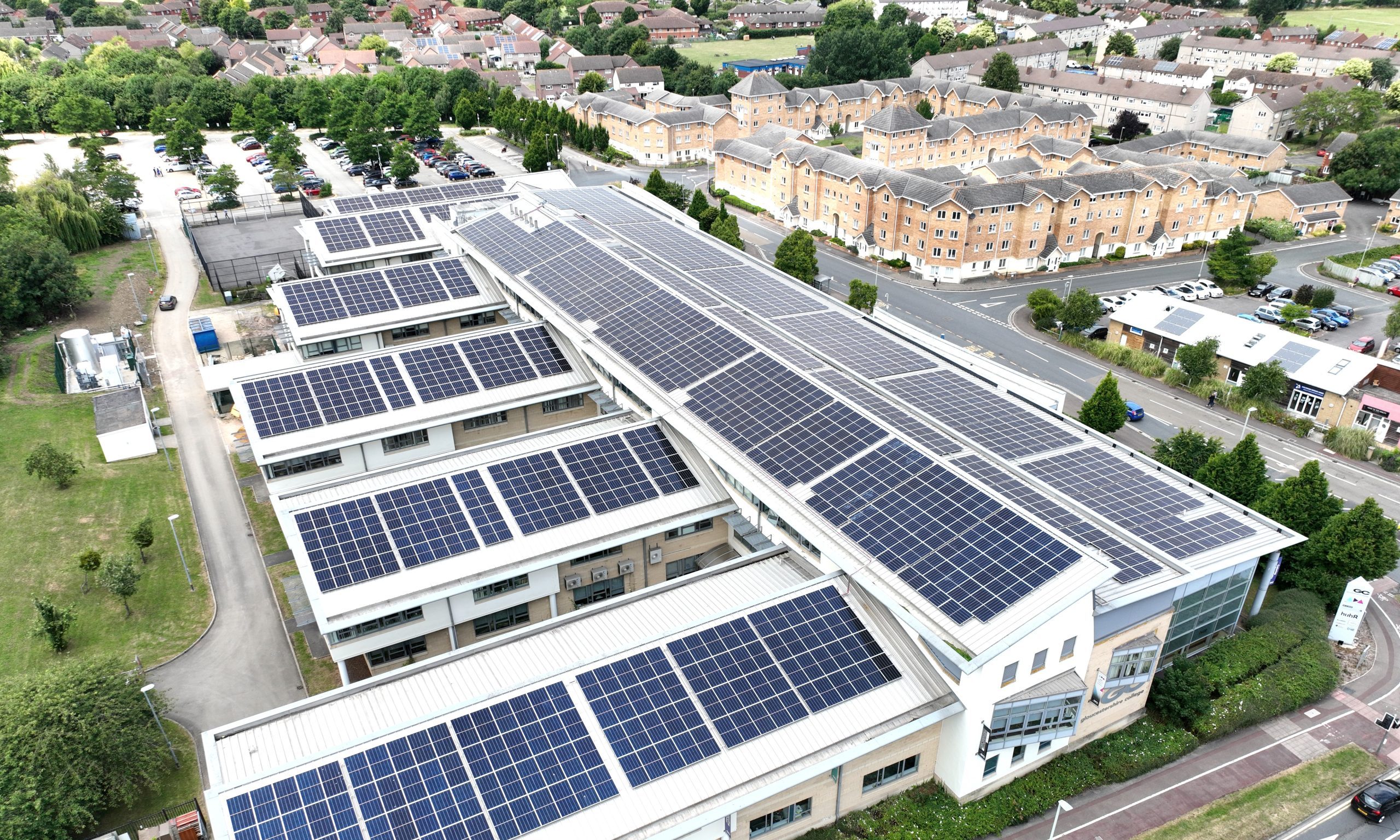
Discover how Gloucestershire College implemented net zero solutions to reduce carbon emissions and operational costs across three education sites.