The UK needs more cooling. Are we planning the infrastructure for it?
Hotter summers are changing what UK buildings need from their energy systems. Explore how heat pumps can support future heating and cooling requirements.



Across the UK hotel sector, utility costs per available room have risen sharply in recent years, with some industry analyses showing costs close to doubling compared with pre-pandemic levels. In a business built on tight operating margins, that shift is substantial, and the impact is amplified by how hotels consume energy.
Hotel energy demand is embedded in the operating model. Heating and cooling systems, hot water, ventilation, kitchens and back-of-house services must run consistently to maintain guest comfort and brand standards.
Energy consumption remains largely fixed even as occupancy fluctuates, with much of the building infrastructure operating 24/7.
Across a portfolio, that fixed demand accumulates quickly. Managing energy exposure now forms part of broader financial governance and asset strategy.
Many hotel groups operating today were specified under very different energy conditions. Electricity was cheaper, electrification was limited and long-term carbon performance was not a primary consideration.
As a result, building services were optimised for reliability and guest comfort, not flexibility in volatile energy markets.
Renewal cycles are now bringing these design choices back into focus. When boilers, chillers or air handling systems approach replacement, decisions extend beyond technical compliance. Equipment selection influences operating cost, electrical capacity requirements and capital allocation for the next 15–20 years.
Service intensity adds further complexity. Properties with spas, pools, extensive food and beverage operations or on-site laundry carry materially higher heating and hot water requirements than limited-service formats. Heating, ventilation and air conditioning systems alone can account for around half of total energy use in hotels, particularly in larger or higher-category properties. That means performance in a relatively small number of systems has an outsized effect on overall cost.
Cooling demand is also increasing. Warmer seasonal conditions and consistent guest expectations around comfort are driving greater reliance on electrically powered systems. For assets not originally configured for sustained electrical growth, this introduces new constraints on infrastructure and procurement strategy.
This is where many projects begin to stall.
Investment decisions in live hotel environments are subject to scrutiny from operations, finance and brand leadership. Capital must be justified against defined payback periods, disruption risk must be tightly controlled and guest experience cannot be compromised.
At the same time, upgrade proposals are often developed in isolation – a heat pump feasibility study, a solar installation plan, a controls upgrade – each technically sound, but rarely modelled as part of a coordinated estate strategy. Without a clear view of lifecycle cost, operational phasing and performance validation, approval becomes difficult.
The result is hesitation, even when the need is fully understood.
Where energy exposure is shaped by asset design, service intensity and long-term renewal cycles, siloed upgrades rarely resolve the underlying issue.
A heat pump feasibility study may address the heating plant. A solar installation may offset daytime electricity consumption. A controls upgrade may improve scheduling. Each intervention can deliver value. The difficulty arises when decisions are made independently, without a coordinated view of how the estate performs as a whole.
For hotel groups, the question is not which technology to adopt – it is how energy strategy aligns with financial planning, capital cycles and operational continuity.
A structured approach begins with evidence.
Estate-wide modelling provides visibility into demand concentration, system interaction and future load growth. Scenario analysis allows leadership teams to test investment pathways before committing capital, assessing not only projected savings but timing, phasing and infrastructure implications.
This moves the discussion away from technical specification and toward commercial clarity. When assumptions are transparent and performance expectations are clearly defined, leadership teams are better equipped to evaluate options, compare pathways and move forward with confidence.
Ongoing measurement and optimisation are equally important. Without visibility into post-installation performance, projected savings remain assumptions. With clear reporting and active optimisation, energy becomes a controllable operating variable.
For hotel groups, the priority is rarely energy reduction in isolation. The priority is protecting profitability, maintaining guest standards and preserving asset value over time.
Acting without a clear financial frame introduces risk, but so does inaction. Infrastructure that is approaching renewal continues to influence operating costs, and when upgrade decisions are not aligned with planned refurbishment or replacement schedules, the financial impact can be amplified. Energy exposure therefore remains embedded within the estate until it is addressed deliberately.
What supports progress is disciplined evaluation. Energy-related investments are most effective when considered alongside other capital priorities and assessed against defined commercial thresholds. Sequencing decisions to align with refurbishment plans or plant replacement schedules allows improvements to be delivered with minimal disruption while strengthening the long-term cost base.
When positioned in this way, energy strategy becomes part of asset management rather than a standalone initiative. It contributes to cost stability, operational resilience and the long-term competitiveness of the portfolio.
In a market where margins are under sustained pressure, structured and investable decisions help ensure that energy supports profitability rather than erodes it.
Our Leisure & Hospitality Energy Roadmap is a practical guide for operators navigating high energy demand, ageing estates and the shift to decarbonised infrastructure.
This roadmap explores how energy behaves in complex, always-on buildings, and how managing the ‘energy risk’ can be reduced without compromising service.
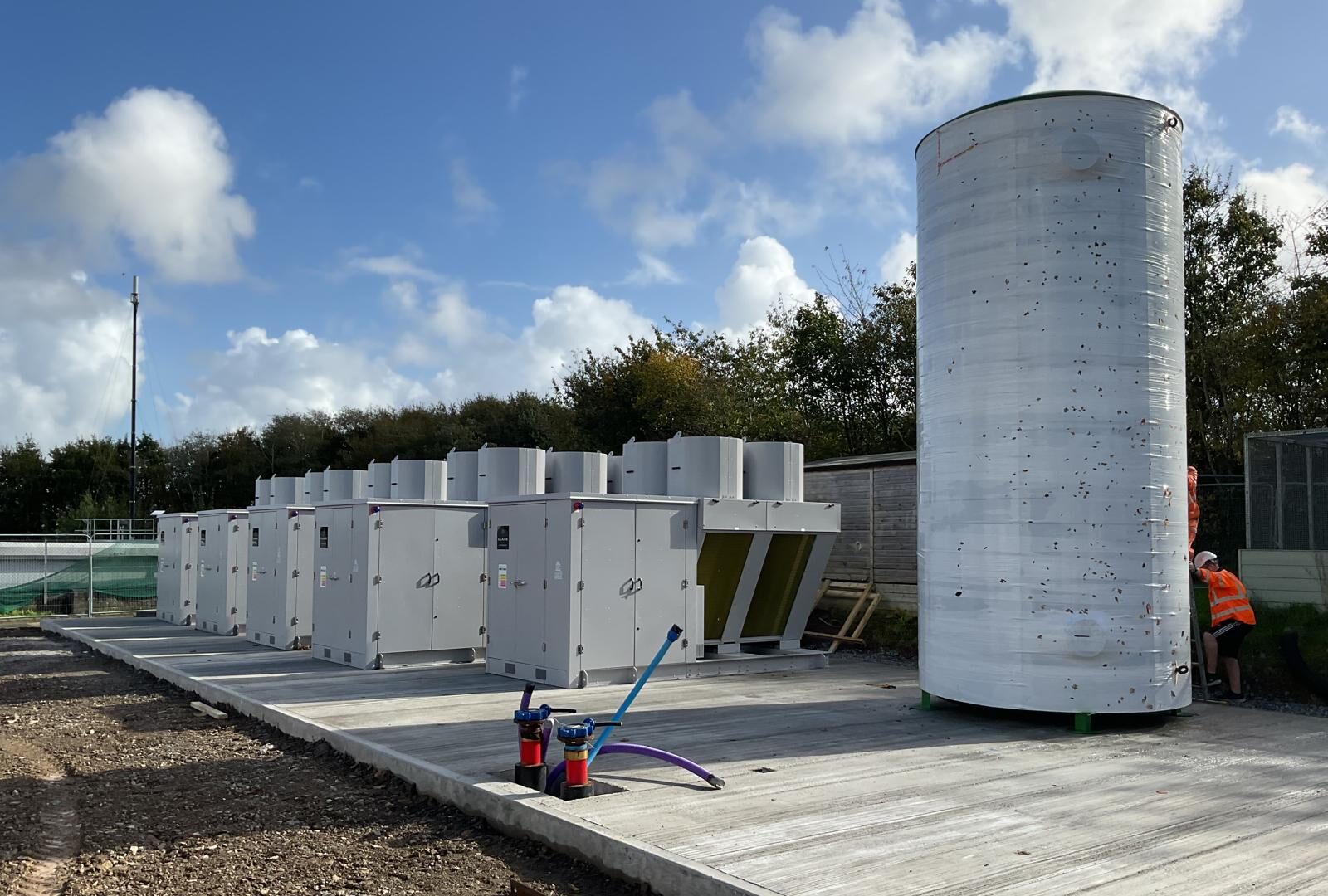
Hotter summers are changing what UK buildings need from their energy systems. Explore how heat pumps can support future heating and cooling requirements.

Learn how an engineering-led investigation uncovered system conflicts, improved operational performance and identified opportunities to reduce annual gas consumption by up to 33%.
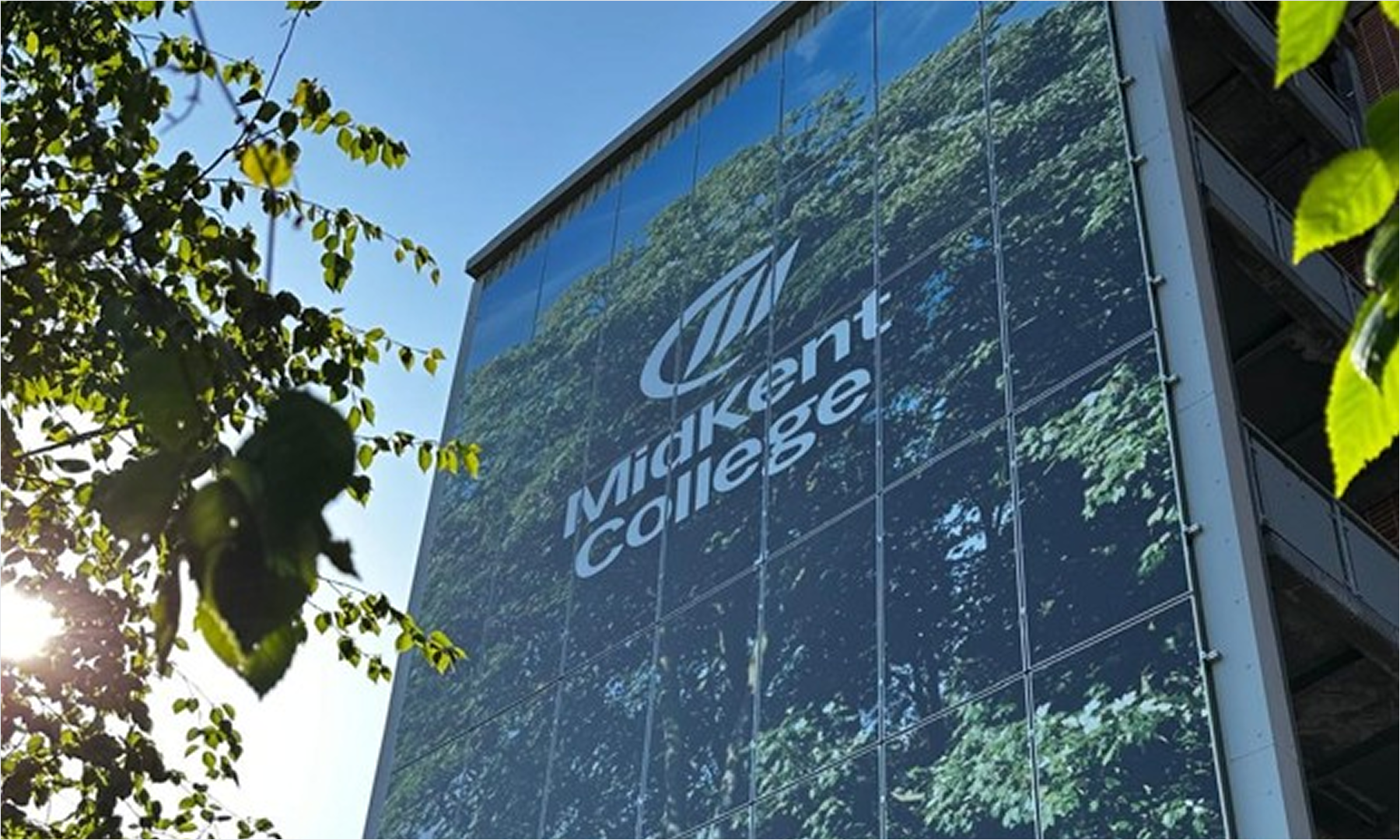
Discover how HI Group helped MidKent College replace gas heating, install renewable energy systems and deliver large-scale estate decarbonisation across two campuses.